
Introduction to Using Emoji in Excel

Microsoft Excel is a powerful tool used for data analysis, visualization, and management. While it’s primarily known for its numerical and textual capabilities, Excel also supports the use of emoji, which can enhance the visual appeal and clarity of spreadsheets. In this article, we’ll explore 5 ways to use emoji in Excel to make your data more engaging and easier to understand.
1. Adding Emoji to Cells
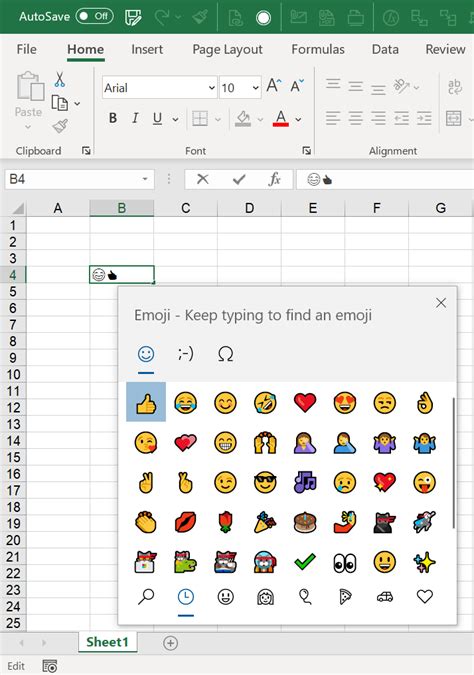
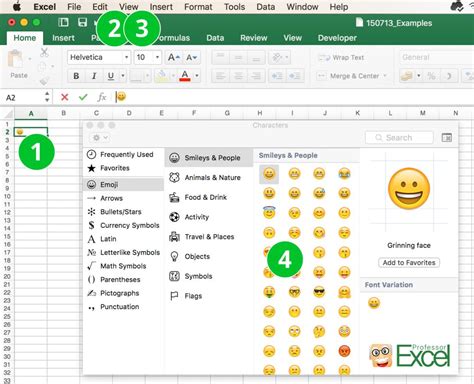
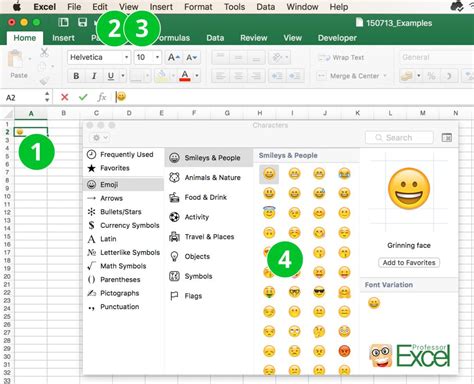
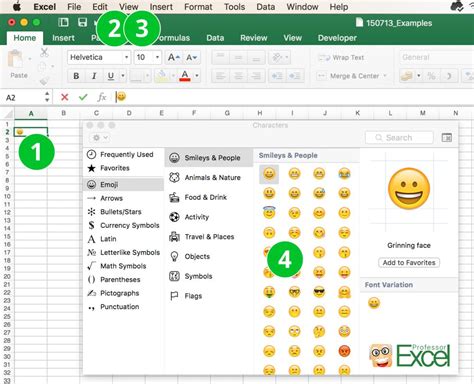
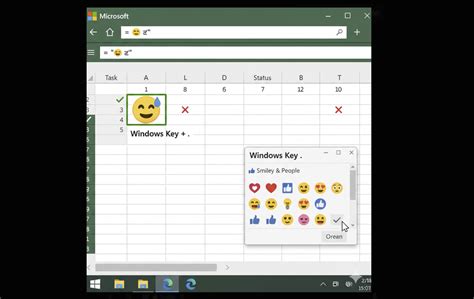
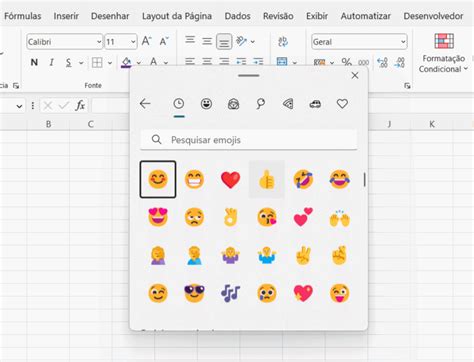
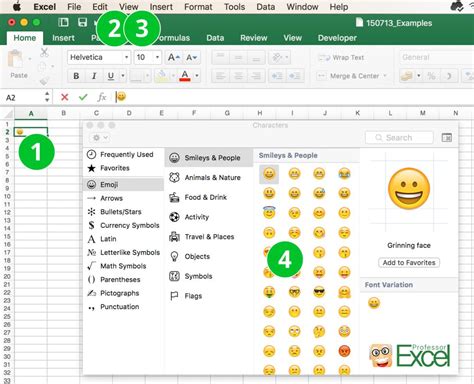
One of the simplest ways to use emoji in Excel is by adding them directly to cells. This can be done using the Windows Emoji Keyboard or by copying and pasting emoji from the internet. To use the Windows Emoji Keyboard, press the Windows key + . (period) to open the emoji panel, then select the desired emoji and click on it to insert it into your cell.
2. Using Emoji in Conditional Formatting
Conditional formatting is a feature in Excel that allows you to highlight cells based on specific conditions. You can use emoji in conditional formatting to make your data stand out. For example, you can use a smiley face 🙂 to indicate positive values and a frowning face ☹️ to indicate negative values. To do this, go to the Home tab, select Conditional Formatting, and then choose New Rule. Select Use a formula to determine which cells to format, and then enter a formula that includes the emoji you want to use.
3. Creating Emoji-Based Dashboards
Dashboards are visual representations of data that provide a quick overview of key metrics. You can use emoji to create visually appealing dashboards in Excel. For example, you can use traffic light emoji 🚦 to indicate the status of a project, with green 🟢 indicating “on track”, yellow 💛 indicating “at risk”, and red 🔴 indicating “off track”. To create a dashboard, go to the Insert tab, select Table, and then use the emoji to create a visual representation of your data.
4. Using Emoji in Charts and Graphs

Charts and graphs are used to visualize data in Excel. You can use emoji to make your charts and graphs more engaging. For example, you can use emoji to label the x and y axes, or to add a title to your chart. To add emoji to a chart, go to the Insert tab, select Chart, and then use the emoji to customize your chart.
5. Using Emoji in PivotTables
PivotTables are used to summarize and analyze large datasets in Excel. You can use emoji to make your PivotTables more visually appealing. For example, you can use emoji to indicate the type of data being displayed, such as 📊 for numerical data or 📝 for textual data. To add emoji to a PivotTable, go to the Insert tab, select PivotTable, and then use the emoji to customize your PivotTable.
📝 Note: When using emoji in Excel, make sure to save your file in a format that supports Unicode, such as .xlsx or .xlsm.
To summarize, using emoji in Excel can enhance the visual appeal and clarity of your spreadsheets. By adding emoji to cells, using them in conditional formatting, creating emoji-based dashboards, using them in charts and graphs, and using them in PivotTables, you can make your data more engaging and easier to understand.
How do I add emoji to a cell in Excel?
+
You can add emoji to a cell in Excel by using the Windows Emoji Keyboard or by copying and pasting emoji from the internet. To use the Windows Emoji Keyboard, press the Windows key + . (period) to open the emoji panel, then select the desired emoji and click on it to insert it into your cell.
Can I use emoji in conditional formatting in Excel?

+
Yes, you can use emoji in conditional formatting in Excel. To do this, go to the Home tab, select Conditional Formatting, and then choose New Rule. Select Use a formula to determine which cells to format, and then enter a formula that includes the emoji you want to use.
How do I create an emoji-based dashboard in Excel?
+
To create an emoji-based dashboard in Excel, go to the Insert tab, select Table, and then use the emoji to create a visual representation of your data. You can use emoji to indicate the status of a project, with green indicating “on track”, yellow indicating “at risk”, and red indicating “off track”.