
Introduction to Meditation
Meditation is a powerful practice that has been used for centuries to cultivate mental, emotional, and physical well-being. By dedicating a few minutes each day to meditation, individuals can experience a range of benefits, including reduced stress and anxiety, improved focus and concentration, and enhanced self-awareness. In this article, we will explore five ways to meditate, providing a comprehensive guide for both beginners and experienced meditators.
1. Mindfulness Meditation
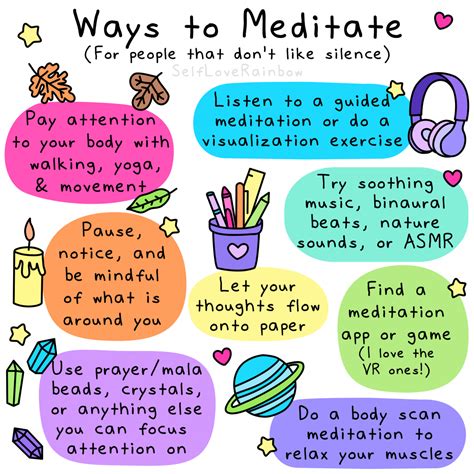
Mindfulness meditation involves paying attention to the present moment, without judgment or distraction. This type of meditation can be practiced anywhere, at any time, and is an excellent way to reduce stress and increase focus. To practice mindfulness meditation, find a quiet and comfortable spot to sit, close your eyes, and bring your attention to your breath. When your mind wanders, gently acknowledge the thought and return to your breath. Start with short sessions, such as 5-10 minutes, and gradually increase the duration as you become more comfortable with the practice.
2. Loving-Kindness Meditation
Loving-kindness meditation, also known as metta meditation, is a practice that cultivates feelings of love, compassion, and kindness towards oneself and others. This type of meditation can help to increase empathy, understanding, and connection with others. To practice loving-kindness meditation, find a quiet and comfortable spot to sit, close your eyes, and begin by directing kindness towards yourself. Repeat phrases such as “May I be happy, may I be healthy, may I be at peace” and gradually extend these sentiments to others, including friends, family, and even those you may have difficulty with.
3. Transcendental Meditation
Transcendental meditation is a specific type of meditation that involves the use of a mantra to help the mind access a deeper state of consciousness. This type of meditation can help to reduce stress, improve cognitive function, and increase self-awareness. To practice transcendental meditation, find a qualified teacher who can provide personalized instruction and guidance. With regular practice, individuals can experience a range of benefits, including improved mental clarity, increased creativity, and enhanced emotional well-being.
4. Movement Meditation
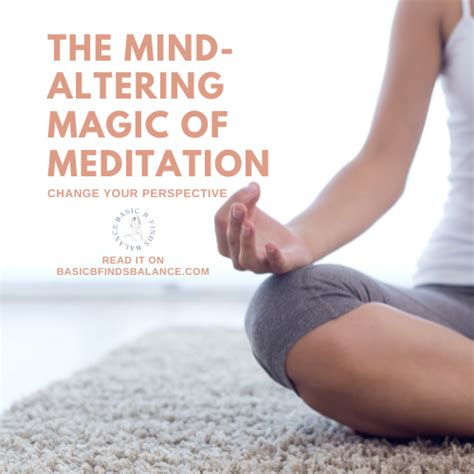
Movement meditation combines physical movement with a meditative state of mind. This type of meditation can be practiced through activities such as yoga, tai chi, or walking. To practice movement meditation, find a quiet and comfortable space to move, set an intention to cultivate a meditative state, and begin to move slowly and deliberately. Bring your attention to your breath, the sensation of your feet touching the ground, or the movement of your body. As you move, allow yourself to let go of distractions and focus on the present moment.
5. Guided Meditation
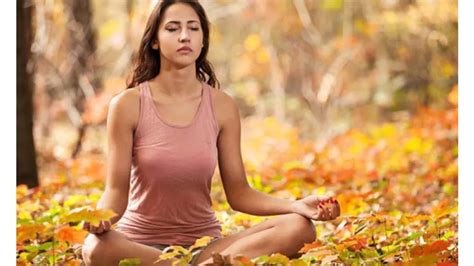
Guided meditation involves following the guidance of a teacher, audio recording, or app to lead you through a meditation practice. This type of meditation can be an excellent way to get started with meditation, as it provides a clear structure and guidance. To practice guided meditation, find a quiet and comfortable spot to sit, close your eyes, and listen to the guidance provided. Allow yourself to follow the instructions, breathe deeply, and cultivate a sense of relaxation and calm.
🙏 Note: Consistency is key when it comes to developing a meditation practice. Start with short sessions and gradually increase the duration as you become more comfortable with the practice.
In terms of the benefits of meditation, the following table highlights some of the key advantages of regular practice:
| Benefit | Description |
|---|---|
| Reduced Stress | Meditation can help to reduce stress and anxiety by activating the relaxation response and decreasing the production of stress hormones. |
| Improved Focus | Meditation can improve focus and concentration by training the mind to stay present and aware. |
| Enhanced Self-Awareness | Meditation can increase self-awareness by helping individuals to develop a greater understanding of their thoughts, emotions, and behaviors. |
As we conclude our exploration of the five ways to meditate, it is clear that meditation is a powerful practice that can have a profound impact on both physical and mental health. By incorporating meditation into your daily routine, you can experience a range of benefits, from reduced stress and anxiety to improved focus and self-awareness. Whether you are a beginner or an experienced meditator, there is a type of meditation that can suit your needs and help you to cultivate a deeper sense of calm, clarity, and connection.
What is the best way to get started with meditation?

+
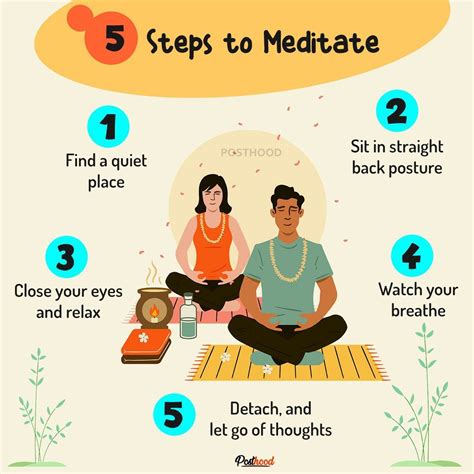
The best way to get started with meditation is to find a quiet and comfortable spot to sit, close your eyes, and focus on your breath. You can also try following a guided meditation or using a meditation app to help you get started.
How long should I meditate each day?
+
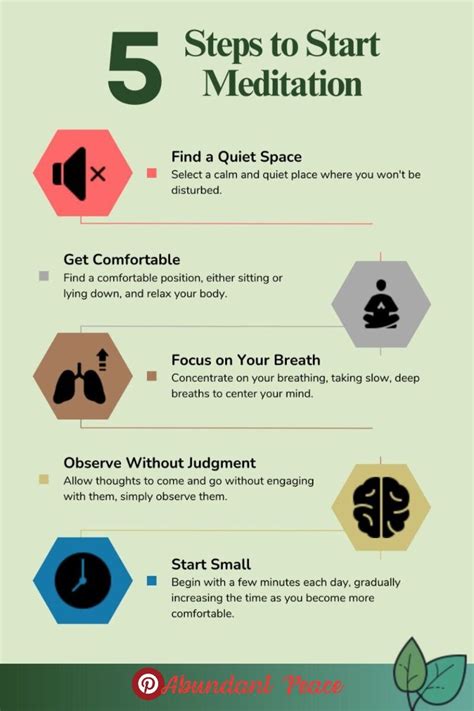
The length of time you should meditate each day will depend on your individual needs and goals. Start with short sessions, such as 5-10 minutes, and gradually increase the duration as you become more comfortable with the practice.
What are the benefits of regular meditation practice?
+
The benefits of regular meditation practice include reduced stress and anxiety, improved focus and concentration, and enhanced self-awareness. Meditation can also help to improve sleep, boost mood, and increase feelings of calm and relaxation.