Introduction to the Term “Cracker”

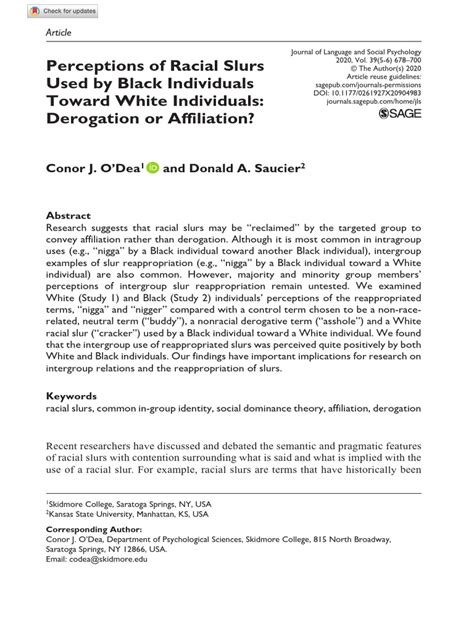
The term “cracker” has been a part of American English for centuries, with its meaning evolving over time. Initially, it was used to describe a type of poor white person, particularly in the Southern United States. However, the question of whether “cracker” is considered a slur is complex and depends on the context in which it is used. In this article, we will delve into the history of the term, its various meanings, and the reasons why it can be perceived as offensive in certain situations.
Origins of the Term “Cracker”
The term “cracker” originated in the 18th century, when it was used to describe the poor, white residents of the Southern backcountry. These individuals were often of Scottish, Irish, or English descent and were known for their rugged, independent lifestyle. The term is believed to have come from the sound of cracking whips, which these individuals used to herd cattle and other livestock.
Evolution of the Term’s Meaning
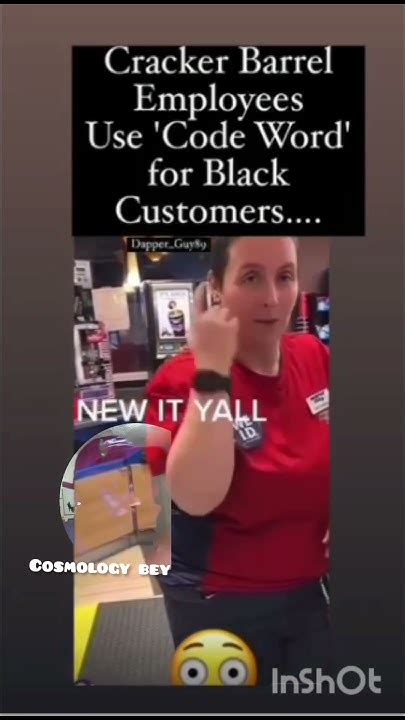
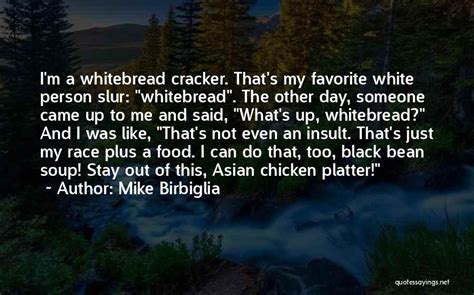
Over time, the meaning of “cracker” has evolved, and it is now used in various contexts. Some of these uses are neutral or even positive, while others can be considered derogatory. For example, in the state of Georgia, “Cracker” is used as a nickname for the University of Georgia’s football team, the Bulldogs. In this context, the term is seen as a source of pride and is not considered offensive. However, when used to describe a person, particularly in a racial or class-based context, the term can take on a more negative connotation.
Reasons Why “Cracker” Can Be Considered a Slur

There are several reasons why “cracker” can be perceived as a slur in certain situations: * Racial connotations: When used to describe a white person, particularly in a context that implies superiority or inferiority, the term can be seen as racist. * Class-based implications: The term “cracker” has historically been associated with poor, uneducated whites, which can be perceived as derogatory. * Regional prejudices: In some parts of the United States, the term “cracker” is used to describe people from the Southern states, often with negative connotations.
🚨 Note: The perception of "cracker" as a slur can vary greatly depending on the region, cultural context, and individual experiences.
Examples of Usage

To better understand the complexity of the term “cracker,” let’s consider some examples of its usage: * In the context of sports, such as the University of Georgia’s football team, the term is generally seen as positive and is not considered a slur. * In a racial or class-based context, the term can be perceived as derogatory and is often avoided in polite conversation. * In some parts of the United States, particularly in the South, the term “cracker” is used as a colloquialism to describe a person from the region, without any negative connotations.
Conclusion and Final Thoughts
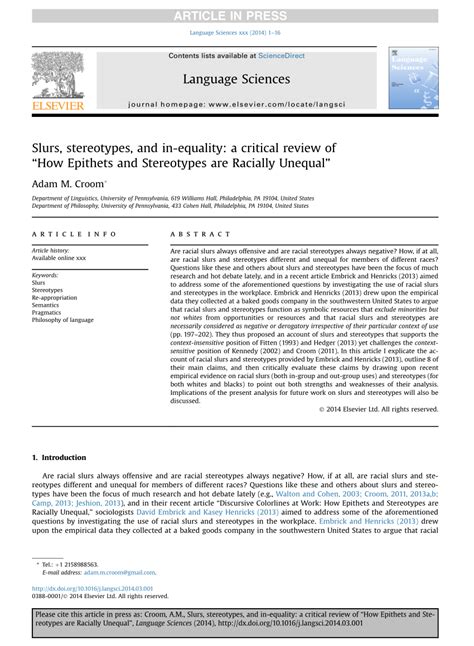
In conclusion, the term “cracker” is complex and can be perceived as a slur in certain situations, depending on the context in which it is used. While it has a long history and multiple meanings, it is essential to be aware of the potential for offense and to use the term thoughtfully. By understanding the evolution of the term’s meaning and the reasons why it can be considered derogatory, we can better navigate the complexities of language and avoid unintentionally causing offense.
What is the origin of the term “cracker”?
+
The term “cracker” originated in the 18th century, when it was used to describe the poor, white residents of the Southern backcountry.
Is the term “cracker” always considered a slur?
+
No, the term “cracker” is not always considered a slur. Its meaning and connotation depend on the context in which it is used.
How can I use the term “cracker” without causing offense?
+
To avoid causing offense, it is essential to be aware of the context and potential connotations of the term “cracker.” Using it in a respectful and thoughtful manner can help minimize the risk of misinterpretation.