
Introduction to Lil Peep’s Life and Career
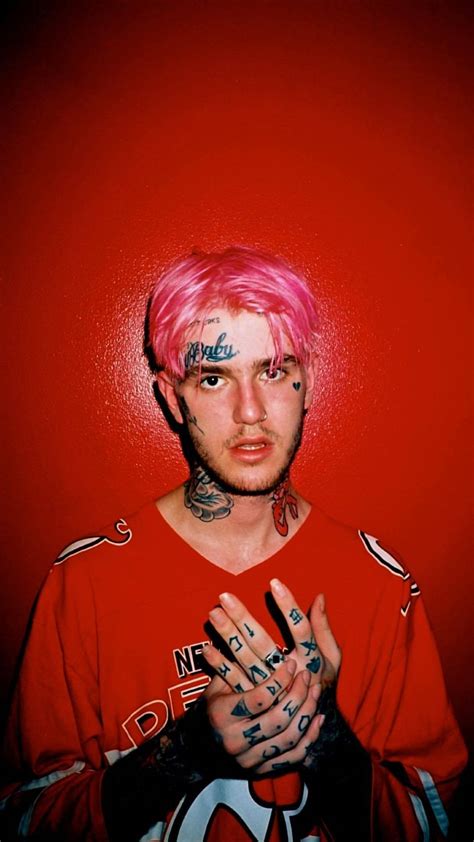
Lil Peep, born Gustav Elijah Åhr, was an American rapper, singer, and songwriter. He was known for his unique blend of emo and hip-hop styles, which resonated with a wide audience, particularly among the younger generation. Lil Peep’s music often dealt with themes of depression, anxiety, and substance abuse, making him a relatable figure to many who struggled with similar issues. Despite his short career, Lil Peep left a lasting impact on the music industry and his fans.
Lil Peep’s Rise to Fame

Lil Peep gained popularity on SoundCloud and YouTube, where he posted his music and connected with his audience directly. His early releases, such as Lil Peep; Part One and Hellboy, showcased his talent and unique sound, attracting the attention of fans and critics alike. As his fan base grew, so did his collaborations with other artists, including XXXTENTACION and Juice WRLD. These collaborations further expanded his reach and solidified his position in the music industry.
Lil Peep’s Music and Its Impact
Lil Peep’s music was characterized by its emotional honesty and raw intensity. He spoke openly about his struggles with mental health and addiction, using his platform to raise awareness and reduce stigma around these issues. His songs, such as “Beamer Boy” and “Awws”, featured a mix of melodic flows and aggressive rapping, showcasing his versatility as an artist. Lil Peep’s music not only reflected his personal experiences but also provided a voice for those who felt marginalized and misunderstood.
Lil Peep’s Last Days and Legacy

Tragically, Lil Peep’s life was cut short when he passed away on November 15, 2017, at the age of 21. His death was ruled as an accidental overdose of fentanyl and alprazolam. The news of his passing sent shockwaves through the music community and his fan base, with many paying tribute to his memory and legacy. Despite his short time in the spotlight, Lil Peep’s impact on the music industry and his fans continues to be felt. His music remains popular, and his influence can be seen in many artists who have followed in his footsteps.
💔 Note: Lil Peep's story serves as a reminder of the importance of addressing mental health issues and the dangers of substance abuse.
Remembering Lil Peep’s Last Words

In the days leading up to his death, Lil Peep had been active on social media, posting updates and interacting with his fans. His last posts and messages have been interpreted by many as a cry for help and a reflection of his struggles with depression and addiction. While we may never know the full context of his last words, they serve as a poignant reminder of the importance of seeking help and supporting those who are struggling.
| Album | Release Date |
|---|---|
| Come Over When You're Sober, Pt. 1 | August 15, 2017 |
| Come Over When You're Sober, Pt. 2 | November 9, 2018 |

As we look back on Lil Peep’s life and career, it is clear that his music and legacy continue to inspire and impact fans around the world. His story serves as a reminder of the importance of addressing mental health issues and the dangers of substance abuse. By sharing his struggles and emotions through his music, Lil Peep provided a voice for those who felt marginalized and misunderstood, leaving behind a lasting impact on the music industry and his fans.
In reflecting on Lil Peep’s life and legacy, it is essential to acknowledge the importance of seeking help and supporting those who are struggling. His story is a poignant reminder that mental health matters and that addiction is a treatable disease. By promoting awareness and reducing stigma around these issues, we can work towards creating a more supportive and compassionate community for everyone.
What was Lil Peep’s cause of death?

+
Lil Peep’s death was ruled as an accidental overdose of fentanyl and alprazolam.
What was the impact of Lil Peep’s music on his fans?
+
Lil Peep’s music provided a voice for those who felt marginalized and misunderstood, and his emotional honesty and raw intensity resonated with a wide audience.
How can we promote awareness and reduce stigma around mental health issues and addiction?
+
By sharing stories and experiences, promoting education and awareness, and supporting those who are struggling, we can work towards creating a more supportive and compassionate community for everyone.