
Introduction to Kinesiology
Kinesiology is the study of human movement, focusing on the mechanics and physiology of physical activity. A kinesiologist is a professional who applies this knowledge to help individuals improve their overall health, fitness, and well-being. With a deep understanding of how the body moves and functions, kinesiologists can provide valuable assistance in various aspects of health and fitness. In this article, we will explore five ways a kinesiologist can help individuals achieve their health and wellness goals.
1. Injury Rehabilitation and Prevention

One of the primary roles of a kinesiologist is to help individuals recover from injuries and prevent future injuries from occurring. By analyzing an individual’s movement patterns and identifying potential areas of risk, a kinesiologist can develop a personalized exercise program to improve strength, flexibility, and coordination. This can be especially helpful for athletes or individuals who engage in regular physical activity, as it can help them return to their sport or activity more quickly and safely. Some of the techniques used by kinesiologists for injury rehabilitation and prevention include: * Biomechanical analysis: studying the movement patterns of an individual to identify areas of inefficiency or risk * Exercise programming: developing a personalized exercise program to improve strength, flexibility, and coordination * Functional training: training that mimics the movements and activities of daily life or sport
2. Fitness and Exercise Programming
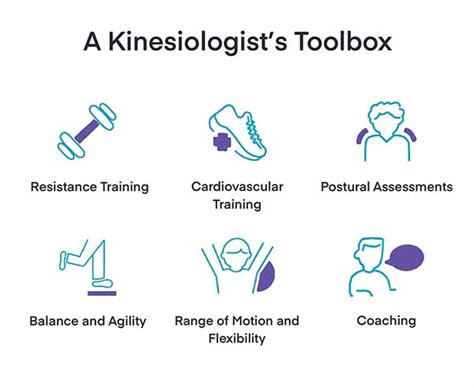
Kinesiologists can also help individuals develop a fitness and exercise program tailored to their specific needs and goals. By assessing an individual’s current fitness level and health status, a kinesiologist can create a program that is both safe and effective. This can include a combination of cardiovascular exercise, strength training, and flexibility exercises, as well as guidance on proper nutrition and lifestyle habits. Some of the benefits of working with a kinesiologist for fitness and exercise programming include: * Improved overall health and wellness * Increased strength and flexibility * Enhanced athletic performance * Weight management
3. Chronic Disease Management
Kinesiologists can play an important role in the management of chronic diseases such as diabetes, heart disease, and obesity. By developing a personalized exercise program and providing guidance on lifestyle habits, a kinesiologist can help individuals manage their condition and improve their overall health. Some of the ways a kinesiologist can help with chronic disease management include: * Exercise programming: developing a personalized exercise program to help manage chronic disease * Nutrition counseling: providing guidance on healthy eating habits * Lifestyle coaching: helping individuals develop healthy lifestyle habits such as stress management and sleep hygiene
4. Performance Enhancement
For athletes and individuals who engage in regular physical activity, a kinesiologist can provide valuable assistance in enhancing performance. By analyzing an individual’s movement patterns and identifying areas for improvement, a kinesiologist can develop a personalized training program to improve strength, power, speed, and endurance. Some of the techniques used by kinesiologists for performance enhancement include: * Biomechanical analysis: studying the movement patterns of an individual to identify areas of inefficiency or risk * Strength and conditioning: developing a training program to improve strength, power, and endurance * Plyometrics and agility training: training that focuses on explosive power and quick changes of direction
5. Ergonomics and Workplace Wellness

Finally, kinesiologists can help individuals improve their workplace wellness and reduce the risk of injury. By analyzing an individual’s workspace and identifying potential areas of risk, a kinesiologist can provide guidance on ergonomics and develop a plan to reduce the risk of injury. Some of the ways a kinesiologist can help with ergonomics and workplace wellness include: * Workplace assessment: analyzing an individual’s workspace to identify potential areas of risk * Ergonomic consulting: providing guidance on how to set up a workspace to reduce the risk of injury * Stretching and exercise programs: developing a program to help individuals reduce stress and improve overall wellness
📝 Note: When seeking the help of a kinesiologist, it is essential to find a qualified professional with experience in the specific area of need. This can include checking for certifications, such as the Certified Kinesiologist (CK) designation, and asking for referrals from healthcare professionals or other trusted sources.
In summary, kinesiologists can provide valuable assistance in a variety of areas, from injury rehabilitation and prevention to fitness and exercise programming, chronic disease management, performance enhancement, and ergonomics and workplace wellness. By applying their knowledge of human movement and physiology, kinesiologists can help individuals achieve their health and wellness goals and improve their overall quality of life.
What is the role of a kinesiologist in injury rehabilitation?
+
A kinesiologist plays a crucial role in injury rehabilitation by analyzing an individual’s movement patterns, identifying potential areas of risk, and developing a personalized exercise program to improve strength, flexibility, and coordination.
How can a kinesiologist help with chronic disease management?

+
A kinesiologist can help with chronic disease management by developing a personalized exercise program, providing guidance on nutrition and lifestyle habits, and offering support and accountability to help individuals manage their condition and improve their overall health.
What is the difference between a kinesiologist and a personal trainer?
+
A kinesiologist has a deeper understanding of human movement and physiology, and is trained to analyze and address movement patterns and biomechanics. A personal trainer, on the other hand, may focus more on general fitness and exercise programming.
How can I find a qualified kinesiologist?

+
To find a qualified kinesiologist, look for certifications such as the Certified Kinesiologist (CK) designation, and ask for referrals from healthcare professionals or other trusted sources. You can also check with professional organizations, such as the American Kinesiology Association, for a list of qualified kinesiologists in your area.
What is the cost of working with a kinesiologist?

+
The cost of working with a kinesiologist can vary depending on the location, services offered, and qualifications of the kinesiologist. On average, a session with a kinesiologist can range from 50 to 150 per hour, although some may offer package deals or discounts for ongoing services.