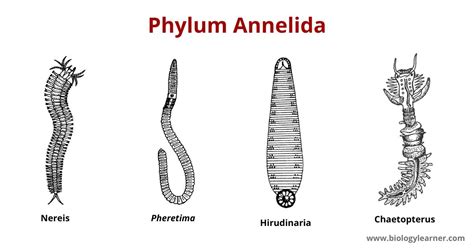
The circulatory system of worms, although vastly different from the complex network found in humans, is a fascinating example of evolutionary adaptation. These invertebrates, belonging to the phylum Annelida, have developed unique mechanisms to circulate nutrients and oxygen throughout their bodies. One of the most intriguing aspects of worm physiology is how they manage to circulate blood, or more accurately, hemolymph, throughout their bodies. Here are five ways worms achieve this essential function:
1. Closed Circulatory System in Earthworms
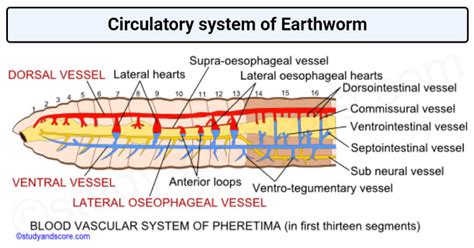
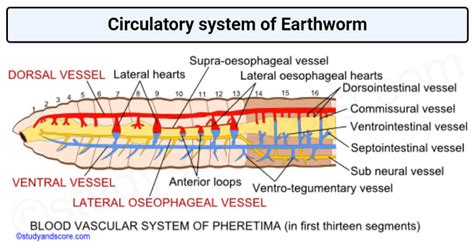
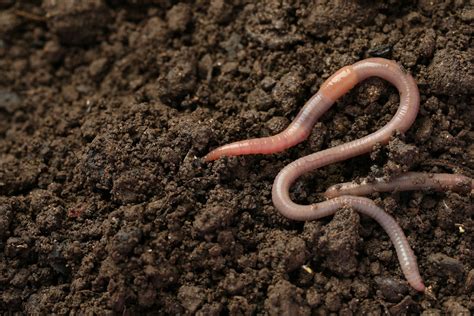
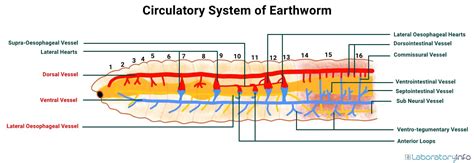
Earthworms, a type of annelid, possess a closed circulatory system, which is more efficient than the open systems found in some other invertebrates. This system consists of blood vessels, including a dorsal vessel that acts as a heart, pumping hemolymph forward, and a ventral vessel that returns it. The dorsal vessel is segmented, with each segment having a pair of muscular compartments that contract and relax in a peristaltic manner to push the hemolymph towards the head. From there, it is distributed to the rest of the body through a network of smaller vessels. This closed system allows for a more controlled and efficient distribution of nutrients and oxygen.
2. Hydrostatic Skeleton and Muscle Contraction

Some species of worms, like the flatworms (Platyhelminthes), rely on a hydrostatic skeleton for movement and, indirectly, for the circulation of hemolymph. The contraction and relaxation of muscles against this fluid-filled skeleton not only facilitate movement but also help in pushing the hemolymph through the body. This method, although less direct than a closed circulatory system, ensures that nutrients and oxygen are distributed to the tissues.
3. Diffusion in Simple Body Plans
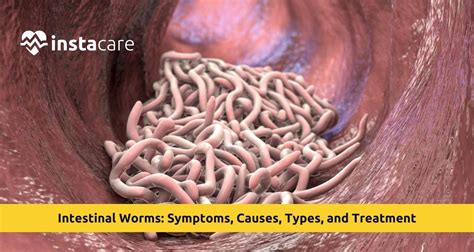
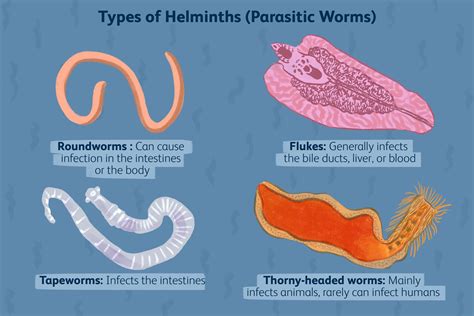
In simpler body plans, such as those found in certain species of roundworms (Nematodes), the circulation of nutrients and oxygen can occur through diffusion. Given their small size and the simplicity of their body structure, these worms can rely on the direct diffusion of substances from the external environment or from the digestive system into the cells. While not a circulatory system per se, this method is effective for organisms with minimal metabolic demands and simple body structures.
4. Peristaltic Movement in Gut
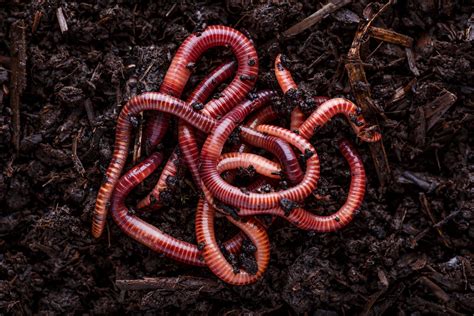
The gut of many worms, especially those with a more complex body structure like earthworms, exhibits peristaltic movements. These movements are not only crucial for the digestion and absorption of nutrients but also contribute to the circulation of hemolymph. As the gut muscles contract and relax in a wave-like manner, they help push the hemolymph through the body, ensuring that all parts receive the necessary nutrients and oxygen.
5. Auxiliary Hearts in Leeches
Leeches, another type of annelid, have evolved auxiliary hearts in addition to their main heart. These auxiliary hearts are located at the posterior end of the leech and are responsible for pumping hemolymph back to the main heart, ensuring continuous circulation. This unique adaptation is particularly useful in leeches, which have a larger body size compared to other annelids and thus require a more efficient circulatory system to meet their metabolic needs.
Conclusion
The diversity of mechanisms used by worms to circulate blood or hemolymph is a testament to the versatility and resilience of life on Earth. From the simple diffusion in roundworms to the complex closed circulatory systems of earthworms and the auxiliary hearts of leeches, each adaptation reflects the unique evolutionary pressures and environments of these organisms. Understanding these mechanisms not only expands our knowledge of invertebrate biology but also inspires new approaches to biomedical and bioengineering challenges.
FAQs
What is the main difference between a closed and open circulatory system in worms?
+
A closed circulatory system, like that found in earthworms, has blood vessels that keep the hemolymph within a network of vessels, making the circulation more efficient. In contrast, an open circulatory system, found in some other invertebrates, lacks such vessels, and the hemolymph bathes the organs directly.
How do worms without a traditional heart manage to circulate hemolymph?
+
Worms without a traditional heart, like certain roundworms, can rely on diffusion for the distribution of nutrients and oxygen, given their small size and simple body structure. Others may use muscular contractions, such as peristalsis in the gut, to help circulate hemolymph.
What is the role of auxiliary hearts in leeches?
+
Auxiliary hearts in leeches are specialized structures that aid in the circulation of hemolymph by pumping it back to the main heart, thereby ensuring continuous and efficient circulation throughout the body.